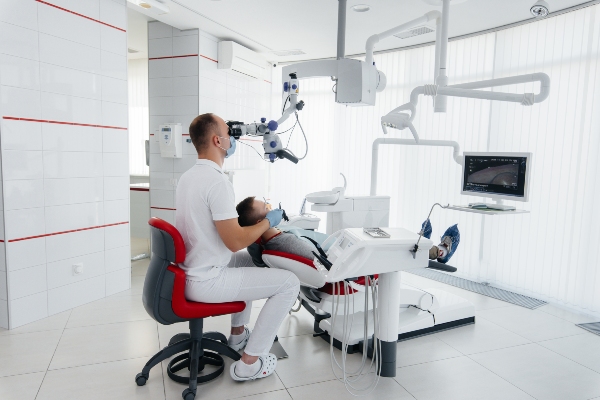
Seeking an emergency dentist immediately after a dental injury can help prevent further complications and ensure proper treatment. Whether a tooth is chipped, cracked, or knocked out, taking the right precautions is essential for preserving oral health. However, some actions can worsen the damage or delay healing. To protect the teeth and avoid additional harm, here are five things to avoid after a dental injury to protect the teeth.
1. Biting down on or chewing hard foods
After damaging a tooth, patients should avoid chewing on hard foods such as ice, nuts, or raw vegetables. A weakened or fractured tooth is more susceptible to further damage, so it is essential to stick to softer foods until an emergency dentist evaluates the condition. Additionally, hard foods can put pressure on the damaged area, worsening cracks or causing more extensive structural damage.
2. Using teeth to open packaging or bottles
Using teeth as tools to tear packaging, remove bottle caps, or break open objects can cause serious dental injury. This bad habit weakens enamel and increases the risk of cracks, fractures, or even tooth loss. If a tooth is already compromised, applying additional force can lead to irreparable damage. Avoiding this practice protects both natural teeth and dental restorations.
3. Overbrushing or using a hard-bristled toothbrush
Maintaining oral hygiene is crucial after a dental injury. However, aggressive brushing can do more harm than good. Overbrushing or using a hard-bristled toothbrush can further irritate sensitive areas, especially if the tooth has a crack or exposed dentin. The Palm Beach Dentistry team recommends using a soft-bristled toothbrush and gentle brushing techniques until an emergency dentist assesses the injury and provides specific aftercare instructions.
4. Ignoring sensitivity or pain
Patients should never ignore tooth sensitivity or pain following a dental injury. Even minor discomfort can indicate underlying damage, such as:
- Untreated tooth decay
- A dental abscess
- Cracked or damaged teeth
- A loose or broken filling
- Gum disease
- Teeth grinding or clenching (bruxism)
Delaying treatment can lead to worsening pain or more complex dental issues. An emergency dentist can evaluate the damage and provide necessary treatment to prevent further oral health complications.
5. Delaying a visit to an emergency dentist
Waiting too long to seek professional care can result in worsening dental damage and more costly treatments. Some injuries, such as a knocked-out tooth, require immediate intervention to increase the chances of saving the tooth. Scheduling an appointment with an emergency dentist as soon as possible ensures proper treatment and a higher likelihood of successful restoration.
Protecting your teeth after an injury
Taking the right precautions after a dental injury can help prevent further damage and ensure effective treatment. Avoiding hard foods, refraining from using teeth as tools, brushing gently, and promptly addressing pain can contribute to a better recovery. Seeking immediate care from an emergency dentist remains the most important step in preserving dental health after an injury. Call our Delray Beach office for more information or to schedule a consultation visit.
Request an appointment or call Palm Beach Dentistry at 561-225-2057 for an appointment in our Delray Beach office.
Recent Posts
An emergency dentist provides urgent care for individuals experiencing sudden dental issues that require immediate attention. Understanding what qualifies as a dental emergency can help patients determine when to seek professional help. While some dental problems may seem urgent, others can be addressed with routine care. Whether due to a sudden injury, severe pain, or…
An emergency dentist offers urgent and specialized care for unplanned dental issues, especially when severe pain or sudden trauma requires immediate attention. These situations can feel overwhelming and may raise many questions about what to expect and how to prepare. Therefore, it is good to have a list of questions to ask before arriving at…
An emergency dentist can provide fast and effective treatment for urgent dental issues. Whether a tooth is cracked, knocked out, or severely chipped, immediate care can be vital in helping to prevent further complications. Ignoring a dental injury can lead to pain, infection, or even permanent tooth loss. Therefore, knowing when to seek an emergency…