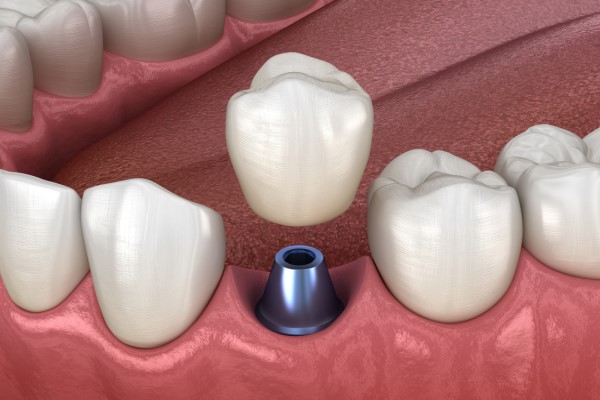
Healing after your implant restoration is an important aspect of the procedure’s success. Placing dental implants involves many steps. This means several healing stages to consider. Recovery from this type of dental procedure can take some time. If you want to know how long gum healing takes after an implant restoration, here are the details.
Healing after pre-implant restoration procedures
Some patients need some procedures to prepare the gums and jawbone for the coming dental implant surgery. One of these procedures is tooth extraction. At least one of the patient’s teeth may have severe decay or damage. There could also be a dead tooth in the mouth. The dentist will need to extract these teeth to provide room for the implant procedure.
Checking the extraction areas will help prevent any delay in the recovery. Keeping the blood clot intact helps speed up the healing. The gum will start to heal after about three days. Complete recovery will be after one to two weeks.
Another pre-implant restoration procedure is bone grafting. Some patients need this if there is significant jawbone loss. Here, the dentist will take healthy bone tissue from a synthetic source, an animal source, or the patient. Recovery time for this procedure depends on the patient’s general health. The average period is about two weeks to three months. The bone graft should be fused with the jawbone before the dental implant procedure.
Healing after implant restoration
The most important part of dental implant surgery is osseointegration. This process happens after the placement of the titanium rods into the drilled jawbone sockets. It involves the complete fusion of the rods with the jawbone and surrounding gum tissue. The average recovery time for this procedure is four to six months. This healing time could be shorter or longer depending on the patient’s health.
Then, the dentist will open up the gum tissue on top of the implant. This will allow the attachment of the abutment. The dentist will suture the gum around the abutment. The abutment will remain above the gumline as it heals. This will take about two to three weeks. The dentist will then place the custom-fit crowns and make sure each one fits well.
Factors affecting the implant restoration recovery
The recovery time from an implant restoration depends on many factors. The number of teeth pulled out or placed is one of these factors. Each extraction site must close up and heal first before titanium rods go in. Healing after the bone grafting procedure also plays a role in the length of implant restoration recovery. Each titanium rod must fuse well with the jawbone.
Some patients have habits, diets, and lifestyles capable of lengthening or complicating their recovery. Smoking or drinking alcohol can delay recovery. Tobacco and alcoholic beverages impair blood oxygenation and circulation. The surgical areas then lack the oxygenated blood and nutrients for tissue repair and cell growth.
Healing after your implant restoration depends on your body’s ability to recover
Your dentist may recommend dental implant surgery to improve your dental health. The period of recovery depends on how your body heals. The number of pre-implant surgery procedures may also delay your recovery time. A dental appointment can help determine the total implant restoration procedures you will need. This can help estimate your total recovery period.
Are you considering getting implant restoration in the Delray Beach area? Get more information at https://www.palmbeachdentistry.com.
Check out what others are saying about our dental services on Yelp: Dental Implant Restoration in Delray Beach, FL.
Recent Posts
Dental health is essential for a high quality of life. However, if a tooth breaks or decay goes unnoticed, the result can be painful and may require an emergency dental visit. Fortunately, restorative dentistry techniques allow a dentist to repair damage and restore your smile's function and appearance. The following blog explores six common dental…
A dental restoration is a treatment that rebuilds or replaces damaged tooth structure to restore full function and aesthetics. Whether addressing decay, fractures, or missing teeth, a dental restoration supports long-term oral health and helps preserve the natural smile. From simple fillings to more advanced solutions like bridges and onlays, each type of restoration offers…
A broken tooth can affect both oral health and confidence. Whether caused by biting into something hard, an accident, or underlying decay, prompt dental care is essential to prevent further damage and restore normal function. Fortunately, modern dentistry provides several reliable treatments that repair structural damage and rebuild a natural-looking smile. A cosmetic, family, or…
A dental inlay is one of several restorative options available to repair damaged teeth and preserve oral health. When decay, fractures, or wear compromise the strength or structure of a tooth, dentists consider the severity and location of the damage to determine the most appropriate treatment. Understanding the differences between a dental inlay, onlay, filling,…