How Gum Disease Is Treated by Your Dentist
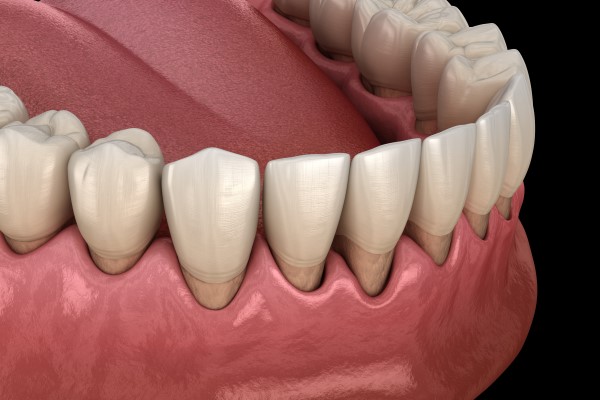
Gum disease is one of the most common issues that dentists treat. It is most likely to affect people over 30, and the bacteria that live inside the mouth cause it. Also known as periodontal disease, gum disease develops when bacteria infect gum tissues.
Poor oral hygiene is one of the leading risk factors for gum disease in general dentistry. A person’s genetics can also increase their risk of developing gum disease, as well as habits like using tobacco products. Gum disease can be reversed early on, but it becomes a chronic infection if allowed to progress.
How our dentist helps patients with gum disease
Gum disease occurs in two primary stages: gingivitis and periodontitis. Gingivitis can be reversed and often comes with symptoms like bleeding, tender and/or receding gums. Periodontitis is the advanced stage of gum disease, and it causes permanent damage to teeth and bone structures. It is the leading cause of adults losing their teeth. Treatments that our dentist might recommend to help reverse gingivitis include the following.
1. Educating patients about oral hygiene
Improving a patient's commitment to proper dental hygiene can help stop the infection in their gums. A dentist might recommend brushing at least two times a day. Brushing after every meal works best because it gets rid of sugars in the mouth before bacteria turn them into plaque and acids. A good mouthwash also helps protect gum tissues. A dentist might prescribe a therapeutic mouthwash for patients with gingivitis.
2. Teeth cleanings
Teeth cleanings help get rid of plaque and tartar buildup on teeth. Bacteria in the mouth create plaque, which houses them and the acids that they make. Plaque hardens into tartar when left on teeth surfaces, and it also accumulates on teeth roots and gum pockets.
Teeth cleaning involves using a scaler to remove tartar deposits that protect bacteria infecting gum tissues. Treatments that our dentist might recommend for patients with more advanced cases of gum disease include the following.
Deep cleaning: Deep teeth cleaning is a more thorough version of conventional teeth cleaning. It involves removing tartar from teeth and their roots. Teeth roots are also polished during the procedure, so it is harder for tartar deposits to form on them.
Bone grafts: Bone grafts can be used to repair damage to bone structures in the mouth caused by gum disease. The treatment often involves using donor or artificial grafting materials to stimulate bone tissue growth in the area being treated.
Gum grafts: Gum grafts can be used to fix damage to gum tissues like receding gums. This improves how the patient’s smile looks, and it protects teeth roots from acids in the mouth. The donor tissue is typically taken from healthy parts of the patient’s mouth and grafted over the teeth roots.
Frequently asked questions about gum disease
Think you have gum disease? Let us go over some questions you might have:
1. Is gum disease reversible?
Gingivitis, the early stage of gum disease, can be reversed by improving your oral hygiene combined with teeth cleanings. Deep cleanings, a more extensive form of teeth cleaning, can also help to reverse gingivitis.
However, periodontitis, the advanced stage of gum disease, cannot be reversed. The infection is typically managed with treatments like deep cleanings, gum flap surgery, gum grafts, and bone grafts.
2. What happens if gum disease is left untreated?
Periodontal disease is the leading reason adults lose teeth. The damage often starts with receding gums that leave teeth roots exposed. This leaves them vulnerable to acids made by bacteria in the mouth. Teeth roots do not have enamel covering them, leaving them more susceptible to the acids made by bacteria in the mouth.
When left untreated, the condition progresses into periodontitis that damages bone and tissue structures surrounding teeth. Teeth will eventually become loose due to these structures being damaged, and they will eventually fall out of their sockets. Gum disease is also linked to chronic health issues like diabetes and heart disease, so not getting it under control can lead to problems in other parts of the body.
3. What are the symptoms of periodontal disease?
Gum disease often does not show any symptoms during its early stages. The first symptoms to show up include receding, tender, reddish, inflamed gums. Other symptoms that might emerge as the infection worsens include bad breath, loose teeth, and exposed teeth roots.
Gum disease requires immediate treatment
Periodontal disease can lead to your teeth falling out, and it is also linked to health issues, like heart disease. Call or stop by our Delray Beach clinic to learn more about the gum disease treatments that we provide.
Request an appointment here: https://www.palmbeachdentistry.com or call Palm Beach Dentistry at (561) 225-2057 for an appointment in our Delray Beach office.
Check out what others are saying about our dental services on Yelp: Gum Disease in Delray Beach, FL.
Recent Posts
Gum disease is one of the most common oral health issues dentists encounter in patients of all ages. It can range from mild gum irritation to severe conditions that affect the tissues and bones supporting your teeth. The root cause of gum disease is typically the accumulation of plaque on the teeth and gums. Understanding…
Gums deterioration exposes the tissue that protects the teeth's roots. Receding gums may also occur around an improperly placed tooth. When the origins of the teeth become exposed due to receding gums, the teeth are more susceptible to decay, infection, and loss. People may halt or reverse the progression of gum recession if they seek…
Receding gums occur as a result of periodontitis (gum disease). Early intervention for gum disease can minimize the invasiveness of treatment, and many patients are able to restore the health of their gums and teeth through improvements in their oral care routine, non-invasive dental treatments, and at-home remedies.At-home remedies do not reverse receding gums, but…
Concerned about receding gums? Read on to learn more about this condition and how it presents itself. You may be able to notice receding gums by simply examining the appearance of your gums at home. If you notice your gums are pulling away (receding) from gums, then you are most likely experiencing gum recession. However,…