How Exercising Can Lead to Dental Fillings
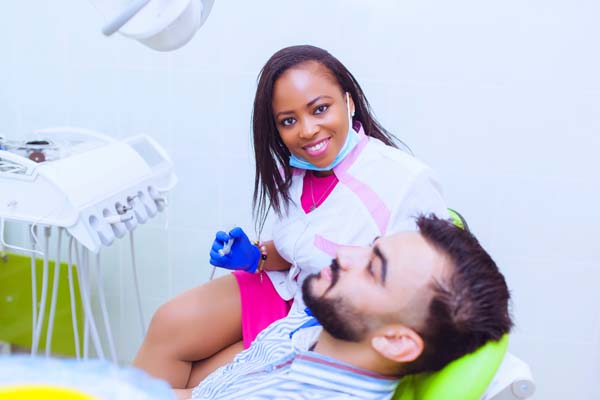
While exercising can be important for certain aspects of your health, it can actually have a negative influence on your dental health and lead to dental fillings. The more an athlete exercises, the higher the chance for poor dental hygiene. The lifestyle of exercise can have an impact on the enamel of the teeth and cause cavities, gum disease, dental fillings and possibly more treatments. There are solutions available to treat these effects of exercise, but first, it is important to know what those effects and causes are.
Diet
The diet of an athlete can affect the teeth with its high sugar sports drinks, protein shakes and high-carbohydrate foods. Diet has always been an important part of an athlete’s regime and is instrumental in maintaining good health. Yet the food and sugar content wears away at the teeth, causing infections, which lead to gum disease and the need for dental fillings. It is an issue that can be prevented by frequent oral hygiene and dentist visits.
Your saliva
Athletes are found to have low amounts of saliva, which has an impact on plaque formation. Their saliva levels are low and their mouths drier because of their heavy breathing during exercise. A dry mouth encourages plaque to form despite the fluids an athlete drinks. Without saliva, food particles and bacteria are not washed away and linger in the teeth, and the enamel isn’t as protected. Not only is less saliva produced, but the pH of the saliva changes as well. The saliva becomes more alkaline losing the properties that fight off bacteria. A good fluid intake as well as attempting to breathe nasally instead of open mouth breathing can contribute to preventing dry mouth.
Dental fillings
A dental filling is what the dentist may suggest when a cavity needs to be treated. A cavity is a space caused within the tooth by decay. It should be filled before the decay spreads and the tooth needs to be removed and replaced. It’s a relatively simple procedure that often involves the dentist using an anesthetic so no pain is felt at all. Silver or plastic is then inserted into the cavity where it hardens quickly. Afterward, there may be some tooth sensitivity when the anesthesia wears off, but the filling is clear to use. However, it is recommended that you steer clear of hard foods.
Your dental health
Exercise certainly has its benefits, and the negative effects on your oral health should certainly not be a deterrent. Seeing your dentist on frequent visits for exams and cleanings as well as maintaining your own good personal oral hygiene practices can prevent any of the negative effects that exercise may produce. So don’t let fear of bad oral health stop you from going to the gym.
Request an appointment here: https://www.palmbeachdentistry.com or call Palm Beach Dentistry at (561) 225-2057 for an appointment in our Delray Beach office.
Check out what others are saying about our services on Yelp: Read our Yelp reviews.
Recent Posts
Teeth whitening is one of the most common cosmetic dental services. Although many whitening products are available over the counter, professional services from a general dentist can offer better, longer-lasting results. Whether you want to remove specific stains or brighten the overall appearance of the smile, it is only natural to have questions about the…
Cosmetic dental services can transform a patient’s smile for the better. For those who want only subtle changes, these services can be used to enhance the natural look of the smile. Either way, knowing when to see a dentist for cosmetic dental services starts with learning the basics about these treatments.There is no wrong time…
Acting quickly by consulting an emergency dentist when facing the signs of dental implant rejection helps to protect the jawbone and surrounding teeth. While implants offer a permanent, high-success solution for missing teeth, the body occasionally struggles to integrate the titanium post with the natural bone. This complication requires immediate attention to halt the spread…
Cosmetic dental services provide a wide range of options to improve the appearance and function of the smile. From subtle enhancements to full transformations, these treatments help patients achieve lasting confidence through healthy, attractive teeth. A general dentist can guide individuals through various techniques designed to correct imperfections and support overall oral wellness.Cosmetic dental services…