6 Common Dental Problems Restorative Dentistry Can Fix
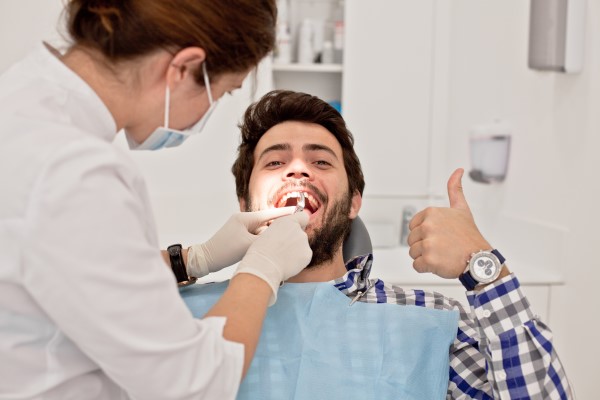
Dental health is essential for a high quality of life. However, if a tooth breaks or decay goes unnoticed, the result can be painful and may require an emergency dental visit. Fortunately, restorative dentistry techniques allow a dentist to repair damage and restore your smile's function and appearance. The following blog explores six common dental issues and how a dentist can protect your oral health with modern restorations.
1. Tooth decay and cavities
The most frequent reason for restorative dentistry is cavity treatment. When acid erodes the hard enamel of a tooth, a hole forms that can lead to a deep infection. If a cavity goes untreated, the damage can spread to the nerves and may cause tooth death. The dentist will remove the soft, decayed portion of the tooth and seal the space to prevent future problems. There are several ways to fix a cavity based on the size of the hole:
- Tooth-colored composite fillings
- Porcelain inlays for larger areas
- Dental onlays to fix the crown of the tooth
- Full-coverage crowns for severe decay or damage
These specific treatments allow a dental provider to save the natural tooth while ensuring the result looks completely natural.
2. Cracked or fractured teeth
Teeth are strong, but they can still break. This breakage occurs due to a sudden injury, a fall, or bruxism, a habit of clenching or grinding the teeth. Restorative care stabilizes a fractured tooth and prevents the crack from spreading toward the root. A crown is the most common fix for this type of damage because it holds the tooth together like a sturdy cap. This treatment protects the tooth from the pressure of a normal bite.
3. Missing teeth
A lost tooth is more than a cosmetic problem. When a person is missing a tooth, their other teeth may begin to drift out of place to fill in the gap. This movement can cause jaw pain and make it hard to chew food. Furthermore, the bone in the jaw begins to shrink when a tooth root is no longer there to support it. A dentist uses implants to fill these spaces and maintain the health of the jawbone. Implant restorations provide a permanent, natural-feeling fix.
4. Excessive tooth wear and erosion
Some people notice that their teeth look shorter over time or feel very sensitive to cold air. This wear often occurs due to acid reflux or a diet high in citrus and soda. This acid wears down the enamel until the soft dentin is visible.
Fortunately, restorative procedures can rebuild the height of the teeth and shield the sensitive areas from further harm. A dentist may use veneers or composite bonding to create a new, durable surface for the teeth. These repairs restore the correct bite and improve the overall look of the smile.
5. Decayed and old restorations
Dental restorations are quite durable. However, they do not last forever. An old silver filling can leak or expand, potentially causing the tooth to split. Similarly, an old crown can develop a small gap at the gum line where bacteria hide. It is important to replace these old materials before they lead to a more serious infection or total tooth loss. A dentist looks for specific signs that a restoration is no longer safe, such as:
- A dark shadow under an old filling
- Sensitivity when biting down
- A loose crown
- Cracks in the crown material
- Food that gets stuck in the same area
- Pain that comes and goes for no identifiable reason
A timely replacement of a weak restoration saves the patient from a painful dental emergency in the future.
6. Infections after a root canal
A root canal is a proven and effective way to save a damaged or infected tooth. However, once the nerve and blood supply are gone, the tooth becomes brittle. Without a final restoration, the tooth is likely to break under biting and chewing pressure. After a root canal, the dentist will typically recommend a post and a core to strengthen the center of the tooth. Then, a custom crown is placed over the top to seal the area and protect the treated tooth from further damage and infection.
Repair your smile with restorative dentistry today
While some dental problems may seem minor at first, they can become expensive and painful if left untreated. Fortunately, restorative dentistry is a safe and effective way to protect your oral health. If you are ready to repair your teeth and smile confidently again, Palm Beach Dentistry is here to help. Find out more about our treatment options by contacting our office to schedule a consultation.
Request an appointment here: https://www.palmbeachdentistry.com or call Palm Beach Dentistry at (561) 225-2057 for an appointment in our Delray Beach office.
Check out what others are saying about our dental services on Yelp: Dental Restorations in Delray Beach, FL.
Recent Posts
A dental restoration is a treatment that rebuilds or replaces damaged tooth structure to restore full function and aesthetics. Whether addressing decay, fractures, or missing teeth, a dental restoration supports long-term oral health and helps preserve the natural smile. From simple fillings to more advanced solutions like bridges and onlays, each type of restoration offers…
A broken tooth can affect both oral health and confidence. Whether caused by biting into something hard, an accident, or underlying decay, prompt dental care is essential to prevent further damage and restore normal function. Fortunately, modern dentistry provides several reliable treatments that repair structural damage and rebuild a natural-looking smile. A cosmetic, family, or…
A dental inlay is one of several restorative options available to repair damaged teeth and preserve oral health. When decay, fractures, or wear compromise the strength or structure of a tooth, dentists consider the severity and location of the damage to determine the most appropriate treatment. Understanding the differences between a dental inlay, onlay, filling,…
A broken tooth can be a stressful and uncomfortable experience, requiring prompt attention to prevent further damage or complications. Whether caused by an accident, biting into something hard, or untreated decay, addressing a broken tooth quickly is crucial to maintaining oral health. Understanding the steps to take after experiencing a broken tooth can help preserve…