Tips to Preserve Your Ceramic Crowns [Dental Restoration]
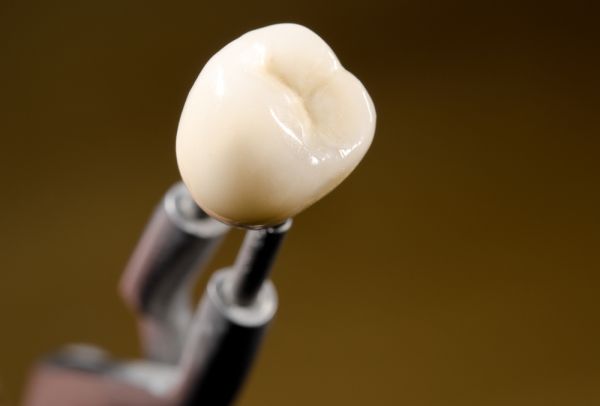
Looking for information on ceramic crowns? Getting a ceramic crown means investing in the future of your oral health. These protective tooth caps are used to restore broken, decayed, discolored or weakened teeth. Ceramic crowns are the best option when it comes to both appearance and functionality, especially when compared with other types of dental crowns.
Once a ceramic crown is placed, it has the potential to last decades if properly maintained. But just like natural teeth, crowns can still get damaged or need replacing.
How to get the most out of your ceramic crowns
The lifespan of a ceramic crown depends on the ability of the patient to care for it correctly. Daily wear and tear can take a toll on ceramic crowns. The following are some ways to preserve the appearance and functionality of your ceramic crowns.
Know which foods to avoid
Crunchy, hard and sticky foods are all bad news for teeth as it is. With a ceramic crown in place, the tooth is mostly protected from further damage and decay. However, the natural tooth underneath can still get cavities. Along the border of the crown near the gumline, the tooth is still susceptible to decay, as well.
To extend the life of a ceramic crown, it is crucial to eat well and limit carbohydrates. Tooth decay occurs when sugary, carb-rich foods stick around in the mouth. The bacteria in the mouth feed on these food particles, producing acid as waste. The acid then eats away at the enamel and causes cavities. Limit cake, cookies and candy to prevent cavities from forming around and under the crown.
Instead, try eating foods that are rich in calcium and protein. For example, leafy greens offer a boost of nutrition that encourages healthy teeth and gums. Celery and carrots are excellent sources of teeth-healthy nutrition as well.
Practice good oral hygiene
Brush and floss all teeth, including those that have been treated with a dental crown. Just because the crown itself is resistant to tooth decay does not mean it should not be cleaned. As detailed above, the border of the tooth and underneath the crown can still get cavities.
Brush after every meal to remove excess food particles and bacteria from the mouth. Floss once daily before brushing at bedtime to clear those hard to reach spaces between teeth.
Habits to avoid
Snacking throughout the day produces more bacteria and more opportunities for cavities than eating three meals per day. Saliva production levels are stressed when a person frequently snacks. Saliva cannot properly clean the mouth when it is used too often.
Other habits like chewing on ice and biting down on hard objects can threaten a ceramic crown. Never use teeth to open packages. Using teeth as a tool is never a good idea, neither for natural teeth nor those covered by a ceramic crown. Clenching and grinding teeth can wear down a crown over time, causing it to fail. Ask your dentist about a nightly mouthguard if you tend to grind your teeth at night.
Ceramic crowns can last a lifetime
Your crown is meant to last 15 years or longer. To find out how to get the most out of your ceramic crown, contact our office today to get a personalized care plan.
Request an appointment here: https://www.palmbeachdentistry.com or call Palm Beach Dentistry at (561) 225-2057 for an appointment in our Delray Beach office.
Check out what others are saying about our services on Yelp: Read our Yelp reviews.
Recent Posts
Cosmetic dental services provide a wide range of modern solutions that brighten enamel, refine tooth shape, and align bite mechanics while preserving overall oral health. Selecting the right cosmetic dental services requires clear goals, professional guidance, and realistic expectations about maintenance. With thoughtful planning, every patient gains a radiant, balanced smile that elevates confidence during…
Most people develop a cavity at some point in their lives, but children are especially prone to tooth decay. Dental sealants can be used to help lower the risk of getting cavities, protecting a child's teeth for many years. This supplemental treatment offers many benefits and is recommended by most dentists for virtually all children…
Cosmetic dental services can improve the appearance of your teeth and boost your self-confidence. After investing in these treatments, proper care and maintenance become essential to preserve the results and ensure they last as long as possible. Here are some helpful care and maintenance tips to protect your investment and keep your smile bright.The longevity…
Oral surgery consultations help patients understand their diagnosis, treatment options, and next steps before a surgical procedure begins. This first appointment gives the dental team time to review the patient’s needs, answer questions, and create a plan that supports comfort, safety, and long-term oral health. Many patients feel nervous before this visit, especially if they…