What You Need to Know Before Getting an Invisalign Treatment
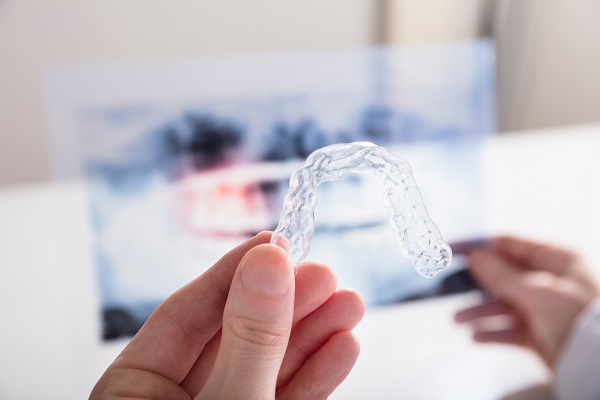
Have you been considering getting Invisalign? It is a fantastic option for many people who want a straight, beautiful smile –– and here are some handy things to know about the process before you get started.
Invisalign works for a wide variety of people
Some people have heard that Invisalign will not work for those with particularly severe malocclusions, but every patient’s needs are different, and many are surprised at what Invisalign can do for them. Patients may wish to speak to an orthodontist about the procedure even if they don’t think they are a good candidate. Only a qualified dental professional will be able to make that determination, so it’s important for patients not rule anything out before seeking a consultation.
Many patients think the main difference between Invisalign and traditional braces lies in the clear acrylic trays, but this is simply not the case. While many patients enjoy the nearly invisible trays for straightening their teeth, many don’t realize that Invisalign is also a faster procedure. Most patients commonly see visible results within the first few months of treatment.
There may be some minor discomforts associated with Invisalign
Though they are generally more comfortable than traditional braces (and don’t feature any wires, which can sometimes result in small abrasions or cuts inside a patient’s mouth), there may still be some degree of discomfort. Some people report discomfort while others do not experience it. In addition, some Invisalign patients report that their teeth feel loose when they take their aligning trays out. This is normal and to be expected, as a patient’s teeth will be moving into their new positions.
Each Invisalign tray is custom made for each patient
Invisalign trays are custom designed for each patient’s mouth and the various stages of each patient’s progress. Invisalign aligners will need to be changed out for most patients about every two weeks. It is important to note that the Invisalign trays should not be cleaned with regular toothpaste, as this may result in discoloration, which will then make a patient’s teeth appear discolored through the acrylic tray. A dentist or dental professional can recommend a mild aligner cleanser to use instead of toothpaste.
Aligners must be worn 22 hours a day
Most patients do not realize that the aligners must be worn for 22 hours a day to be effective. This means that all of a patient’s eating and drinking must fit into a two-hour period in total.
Invisalign is a wonderful solution for older patients
Some older patients think orthodontic treatment is just for patients in their teenage years, but this is not the case. Not only can Invisalign help straighten the teeth of patients who are older than teens, but it can also help them avoid some of the embarrassment some older orthodontic patients sometimes feel about wearing corrective appliances.
For a free consultation …
The best way to learn if you are a good candidate for Invisalign treatment is to speak with a qualified dental healthcare professional, who can answer all of your questions. To be put in touch with one in your area today, simply click the link below!
Request an appointment here: https://www.palmbeachdentistry.com or call Palm Beach Dentistry at (561) 225-2057 for an appointment in our Delray Beach office.
Check out what others are saying about our services on Yelp: Read our Yelp reviews.
Recent Posts
A root canal is a common dental procedure designed to save an infected or severely decayed tooth. Despite common misconceptions, it is not a painful or complicated procedure. Rather, it is a routine treatment that effectively relieves pain and protects your natural teeth.A root canal is a treatment used to repair and save a tooth…
Both dental bridges and implants are popular, effective tooth replacement solutions. However, there are cases in which a general dentist may recommend a dental bridge over implants. This may be due to the number of teeth missing, their location, and the strength of the underlying jawbone, among other factors. Understanding how each of these treatments…
A healthy, complete smile is not only about looking good but is also important for your overall well-being. Dental bridges can help restore the appearance and function of your teeth. However, common misconceptions about these replacement options can prevent people from understanding their benefits. Let us debunk some common myths about dental bridges.While dental bridges…
Dental bridge placement will need two visits. The patient will go through a short process that will not be invasive at all. The result will improve the patient’s dental and general health. Knowing the placement process for this restoration can help prepare you for your next visit. Here is the placement process for a dental…