How a Dentist Can Treat A Broken Tooth
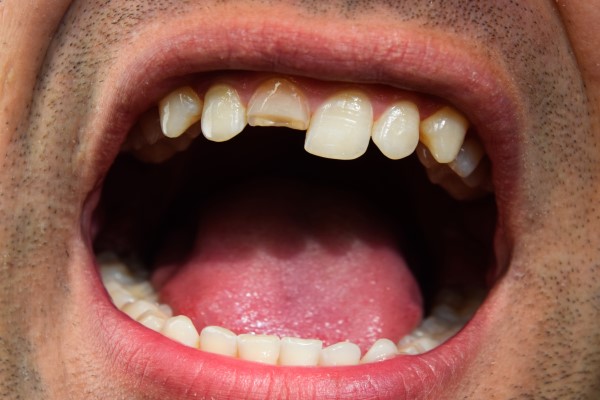
Whether caused by an accident, biting on something hard, or untreated decay, quickly addressing a broken tooth can prevent further complications. With prompt attention, a dentist can restore form and function to a broken tooth. Dentists offer several treatment options to repair damage, protect the tooth, and maintain oral health, and understanding these options can help patients feel confident about seeking care when needed.
What Causes a Broken Tooth?
Patients should understand the common causes of broken teeth to be aware of and prevent them, as well as be able to recognize the symptoms to seek prompt treatment.
Common Reasons for a Broken Tooth
A broken tooth can result from many things, including accidents such as falls, sports injuries, and auto collisions. Biting down on hard objects like ice, nuts, or hard candy may also cause a tooth to crack or chip. Teeth weakened by decay, grinding (bruxism), large fillings, or repeated dental work are more prone to breaking during an accident or under pressure.
Signs and Symptoms
The symptoms of a broken tooth vary depending on the severity of the damage. Common signs include pain when chewing, sensitivity to hot or cold, and visible cracks or chips. Some breaks expose the tooth's inner layer, leading to intense pain or swelling. Sharp edges from the break may irritate the tongue or cheeks, requiring immediate dental care.
How Dentists Treat a Broken Tooth
Just like with the symptoms, the recommended treatment depends on the severity of the break and whether the tooth's inner layers are affected.
Bonding for Minor Chips
Dental bonding is often the most appropriate option for minor chips and cracks, especially those not impacting the inner layers. It involves applying a tooth-colored resin to the damaged area, shaping it to match the natural tooth, and hardening it with a special light. Bonding is quick and cost-effective, restoring the tooth's appearance and function in a single visit.
Dental Crowns for Significant Damage
When a large portion of the tooth is missing or compromised, a general dentist may recommend a crown. These restorations are custom-made caps that cover the entire damaged tooth, providing strength and protection. They are often made of porcelain or ceramic to blend with natural teeth.
Root Canal Therapy for Severe Breaks
The dentist may recommend a root canal if the break exposes the tooth's inner pulp. This procedure involves removing the damaged pulp, cleaning the inside of the tooth, and sealing it to prevent infection. Afterward, a dentist typically places a crown to strengthen the tooth and restore its appearance.
Extraction and Replacement
A dentist will try to save a tooth when possible; however, extraction may be necessary when the tooth is too severely damaged. After removal, the dentist can recommend replacement options such as dental implants, bridges, or partial dentures. These solutions restore function and prevent surrounding teeth from shifting out of alignment.
What to Do Immediately After a Tooth Breaks
Acting fast is an important way for the patient to improve treatment outcomes.
Protect the Tooth
After a tooth breaks, it is important to rinse the mouth with warm water to clean the area. If bleeding occurs, gently apply pressure with a gauze or a clean cloth. Avoid chewing on the damaged side, and use dental wax or sugarless gum to cover sharp edges temporarily.
Manage Pain and Swelling
Over-the-counter pain relievers can help reduce discomfort. Also, applying a cold compress to the cheek near the broken tooth may minimize swelling. Then, seeking professional care as soon as possible is essential to help prevent complications.
Preserve Tooth Fragments
Keep the piece of the tooth that breaks off and bring it to the dental appointment. Store the fragment in milk or saline solution to preserve it for potential reattachment.
Preventing Future Tooth Breaks
Preventing breaks in the first place is usually preferred, and there are steps patients can take to guard against dental damage.
Practice Good Oral Hygiene
Strong teeth are less likely to break. Brushing twice daily with fluoride toothpaste, flossing regularly, and visiting the dentist for cleanings can help maintain healthy teeth. A balanced diet rich in calcium and vitamins also supports strong enamel.
Wear Protective Gear
Mouthguards are essential for athletes or those involved in high-impact activities. Custom-made mouthguards from a dentist provide superior protection compared to store-bought versions.
Address Underlying Issues
Treating problems like cavities, grinding, or weakened teeth can prevent future breaks. Those who grind their teeth should ask their dentist about a custom-made night guard. Also, regular dental check-ups allow dentists to identify and address potential issues before they lead to significant damage.
Helping you protect and repair your smile
Whether the solution involves bonding, a crown, or even a replacement, there are effective ways to address the damage and protect oral health. Seeking timely care and following preventive measures can help keep teeth strong and healthy for years. Call our team today to learn more about treatments for a broken tooth.
Request an appointment here: https://www.palmbeachdentistry.com or call Palm Beach Dentistry at (561) 225-2057 for an appointment in our Delray Beach office.
Check out what others are saying about our dental services on Yelp: Dental Restorations in Delray Beach, FL.
Recent Posts
Dental health is essential for a high quality of life. However, if a tooth breaks or decay goes unnoticed, the result can be painful and may require an emergency dental visit. Fortunately, restorative dentistry techniques allow a dentist to repair damage and restore your smile's function and appearance. The following blog explores six common dental…
A dental restoration is a treatment that rebuilds or replaces damaged tooth structure to restore full function and aesthetics. Whether addressing decay, fractures, or missing teeth, a dental restoration supports long-term oral health and helps preserve the natural smile. From simple fillings to more advanced solutions like bridges and onlays, each type of restoration offers…
A broken tooth can affect both oral health and confidence. Whether caused by biting into something hard, an accident, or underlying decay, prompt dental care is essential to prevent further damage and restore normal function. Fortunately, modern dentistry provides several reliable treatments that repair structural damage and rebuild a natural-looking smile. A cosmetic, family, or…
A dental inlay is one of several restorative options available to repair damaged teeth and preserve oral health. When decay, fractures, or wear compromise the strength or structure of a tooth, dentists consider the severity and location of the damage to determine the most appropriate treatment. Understanding the differences between a dental inlay, onlay, filling,…