3 Early Warning Signs of a Cavity
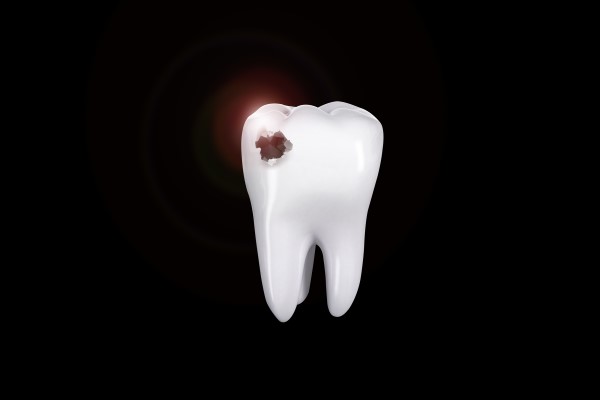
A cavity is one of the symptoms of tooth decay and can lead to significantly worse dental issues, like an infection, when left treated. Cavities can be reversed with fluoride treatments early on, but spotting it at that stage can be difficult because there are rarely any symptoms. As the cavity progresses, symptoms like toothaches might begin to emerge.
Bacteria that live in the mouth create the acids that lead to tooth decay. They do this by consuming sugars left in the mouth after meals and excreting acids that damage teeth and their structures.
Warning signs that you might have a cavity
Patients might be wondering if they have any cavities on their teeth. Let us take a closer look at common symptoms.
1. Holes forming on teeth
This is the clearest way to determine if a patient has a cavity. These holes are the result of acids in the mouth eating into a tooth. A cavity will continue to expand until it leads to the total loss of the tooth or leaves the tooth’s pulp chamber compromised, putting it at risk of being infected.
Fortunately, dentists can fix cavities by sealing the hole with dental filling. The filling material prevents acids from getting into the hole, halting decay in its tracks. It also happens to be one of the most affordable dental treatments provided by dentists, so most patients can get treatment for a cavity once detected.
2. Toothaches
Toothaches are common symptoms of cavities. A person might feel a sharp pain when they try to bite down on something, when they drink sweet things, or when they brush the affected tooth. The pain is caused by the decay getting past the enamel, leaving the more delicate dentin exposed to irritants in the mouth, like debris, bacteria, and acids.
Dentists typically address this by removing decayed material from the tooth and closing it up with filling. A local anesthetic is administered, so there is no pain involved.
3. Weird taste in the mouth and bad breath
An untreated cavity can end up opening up a tooth’s pulp chamber. This is the area that houses the tooth’s blood vessels and nerves. It is normally sealed off from the rest of the tooth, but the chamber can be opened up by decay or trauma.
This leaves the soft tissues there exposed to the bacteria causing the decay. It often leads to a bacterial infection. The waste products created by these microorganisms can lead to bad breath and an unpleasant taste in the mouth.
A root canal is typically performed to treat an infected tooth. The procedure involves removing the tooth’s nerve and blood vessels, then sealing the tooth with gutta-percha.
Get fast treatment for cavities
Do not wait until a cavity leads to other issues. Call or visit our Delray Beach clinic to set up an appointment with our dentist.
Request an appointment here: https://www.palmbeachdentistry.com or call Palm Beach Dentistry at (561) 225-2057 for an appointment in our Delray Beach office.
Check out what others are saying about our dental services on Yelp: General Dentist in Delray Beach, FL.
Recent Posts
Dental fillings are commonly used in dentistry, but what else can these fillings be used for? There are quite a few uses that may surprise you! Here are just some of the many ways dental fillings can help improve your life and improve your smile. You’ll also learn about the best way to take care…
Whether you have chipped, stained, or uneven teeth, veneers are effective at improving the overall appearance of your smile. Here is what you need to know about what veneers can accomplish, what types of veneers are available, and what to expect during a procedure.Dental veneers are thin shells that are placed over the front of…
Your dentist can help you care for your child’s teeth. They can also teach you when their primary teeth should come in and when they should fall out. Here is a closer look at understanding primary teeth.A dentist should explain ways to care for a child’s teeth and let parents know when their child is…
General dentistry focuses on maintaining the overall appearance and function of the teeth and gums.Everyone wants a healthy smile. You can brush your teeth twice a day, floss, and use mouthwash, but you still need to make your routine dental appointments. Dental exams help catch problems early on.Cavities are one of the most common issues…